
Why this topic matters in 2026
Search demand now includes both education and booking intent. Users want practical proof of when cleaning is useful, not generic claims.
A long-form Toronto guide that combines practical homeowner decision support, condo-specific planning, indoor-air-quality context, and clear booking next steps.
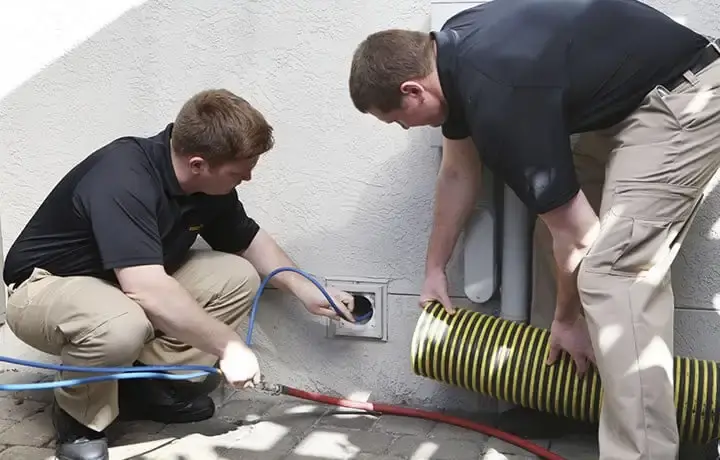
This page is designed to help Toronto homeowners and condo residents understand signs, timing, pricing, service scope, and contractor quality before booking.
Major public and industry guidance generally emphasizes contamination-based decisions, moisture control, full-system cleaning scope, and realistic expectations.
In Toronto, air duct cleaning decisions are usually driven by real-world conditions: long heating seasons, urban particulate exposure, renovation dust, mixed housing stock, and condo mechanical constraints. Rather than blanket annual cleaning claims, better guidance is to assess contamination indicators and system performance, then clean the full system when there is clear need.
Search demand now includes both education and booking intent. Users want practical proof of when cleaning is useful, not generic claims.
Toronto homeowners, condo residents, landlords, and property managers evaluating air duct cleaning, dryer vent cleaning, furnace cleaning, and HVAC support.
These are the practical reasons Toronto households and condo residents usually move from research to service quotes.
Frequent dust return, stuffy airflow, and persistent particulate concerns often trigger evaluation of ducts, filters, and ventilation performance together.
Rooms with weak airflow or frequent system runtime may indicate restricted pathways, debris load, or component cleanliness issues.
Toronto renovations and turnover events often introduce fine debris into returns and branch runs that standard housekeeping cannot remove.
Many Toronto bookings include dryer vent and furnace support when airflow issues involve more than one part of the system.
One sign alone does not always mean immediate service. Multiple patterns usually indicate a stronger case for inspection and cleaning scope planning.
Dust release at startup suggests contamination beyond surface register buildup.
Stuffy or musty airflow can signal combined ventilation and cleanliness issues.
Weak airflow in some rooms can indicate restrictions or broader system distribution issues.
Drywall and finishing dust often remains in duct pathways after visible cleanup.
Some households notice symptom reduction only after broader airflow and filtration improvements.
Slow drying cycles can indicate vent restriction that may merit bundled service.
Public guidance often emphasizes contamination indicators, moisture control, and inspection evidence over rigid time-based promises.
Visible debris release, confirmed contamination, or severe post-renovation dust typically justify service sooner than calendar-only cycles.
If dampness or leaks remain unresolved, mold-related issues can return after any cleaning visit.
Toronto condo intervals vary by unit layout, occupancy, building policy, and fan-coil maintenance history.
Older homes, pets, heavy occupancy, and recent renovations may require more frequent inspection and maintenance.
A high-quality process should be transparent, controlled, and verifiable from pre-inspection through post-service review.
Document property type, contamination indicators, access limits, and component-level cleaning scope before work begins.
Protect floors and furnishings while establishing controlled negative-pressure collection pathways.
Mechanical agitation is used to dislodge accumulated particulate from targeted pathways.
Dislodged material is captured with professional vacuum collection to avoid re-spread into living space.
Relevant components such as registers, return points, and system touchpoints are cleaned per agreed scope.
Review outcomes, provide notes on findings, and explain maintenance steps to keep the system cleaner longer.
Scope clarity is one of the biggest quality differentiators in Toronto duct cleaning proposals. Written inclusion lists prevent confusion and upsell pressure.
In Toronto condos, service often centers on in-suite and accessible pathways, with building scheduling and mechanical access constraints documented upfront.
Detached homes usually involve broader branch coverage and may include more return/supply zones depending on system layout.
Exact pricing varies by scope and layout. Focus on transparent cost drivers instead of single-number advertisements.
Detached homes, semis, townhomes, and condos differ in access complexity and duct footprint.
Larger systems or multi-zone layouts usually require broader cleaning effort and time.
Heavier debris loads or event-driven cleanup (renovation/post-dust) can change scope and cost.
Dryer vent, furnace, and HVAC add-ons may increase total cost but often improve overall efficiency of one visit.
Clear expectations improve trust and reduce disappointment. These clarifications help set realistic outcomes.
Reality: timing depends on contamination indicators, system condition, and property-specific factors.
Reality: register-only cleaning is not the same as full-system source-removal service.
Reality: filtration, ventilation, humidity control, and source reduction are also essential.
Reality: unclear scope and aggressive upsells often create higher final cost and weaker outcomes.
Use these references for additional context on duct-cleaning decision criteria, moisture control, and professional cleaning standards.
These sources support condition-based decision-making, full-system cleaning scope, and moisture-control fundamentals.
Toronto households often seek duct cleaning to improve comfort and reduce recurring dust burden, especially when combined with better filtration and ventilation habits.
Cleaner pathways can support more consistent airflow delivery when restrictions are part of the comfort problem.
Many users report easier dust management when contamination sources and filter practices are improved together.
Some families with allergy or asthma concerns prioritize cleaner airflow as one part of a broader indoor-air strategy.
Combining cleaning with routine filter and HVAC maintenance can support long-term system performance.
Post-cleaning habits strongly influence how long results last. These actions help protect your investment.
Follow manufacturer-compatible filter ratings and replacement intervals.
Blocked airflow points reduce performance and can increase dust accumulation patterns.
Address leaks quickly and maintain healthy humidity ranges to reduce mold-supporting conditions.
Regular dryer vent checks and mechanical maintenance reduce cross-system airflow issues.
Use this checklist to compare providers beyond ad pricing.
Ask exactly which components are included, excluded, and optional.
Providers should clearly explain source-removal process, containment, and debris capture approach.
Strong providers set realistic expectations and avoid health over-promising.
A complete and documented scope is usually more useful than low-entry offers with unclear upsells.
Use these contextual links to compare city coverage, service scope, pricing, and booking options without losing topical context.
This guide is designed to support both ranking depth and real customer decision flow across related pages.
Expanded answers for homeowners, condo residents, landlords, and property managers.
There is no universal schedule. A condition-based approach is generally better: clean when contamination signals, airflow issues, post-renovation dust, or specific system concerns indicate real need.
Start with inspection and scope planning. Surface dust on registers alone does not always require full-system cleaning, but repeated dust release, airflow decline, or contamination signs often justify broader service.
Yes. Condo service usually focuses on in-unit and accessible pathways with building constraints, while detached homes often require wider branch coverage and larger return/supply routing.
It can contribute when contamination in airflow pathways is part of the problem. Best results usually come from combining cleaning with filtration, ventilation practices, and moisture control.
Cost depends on layout, system complexity, contamination level, and bundled add-ons such as dryer vent or furnace cleaning. Request a written quote with clear assumptions.
Often yes when slow drying, lint buildup, or exhaust-flow concerns exist. Bundling can improve service efficiency and provide broader airflow benefits in one appointment.
Ask what components are included, how contamination is removed and collected, what verification is provided, and which services are outside base scope.
If mold or moisture is suspected, moisture causes must be addressed first. Cleaning without correcting dampness can lead to recurrence.
Often yes. Older homes may have legacy duct configurations, renovation history, and mixed mechanical updates that require careful scope definition.
Choose broader HVAC cleaning when airflow concerns involve furnace/air-handler components, coils, or multiple ventilation touchpoints beyond duct runs alone.